 SURVIVAL APPS
A channel that asks for nothing in return
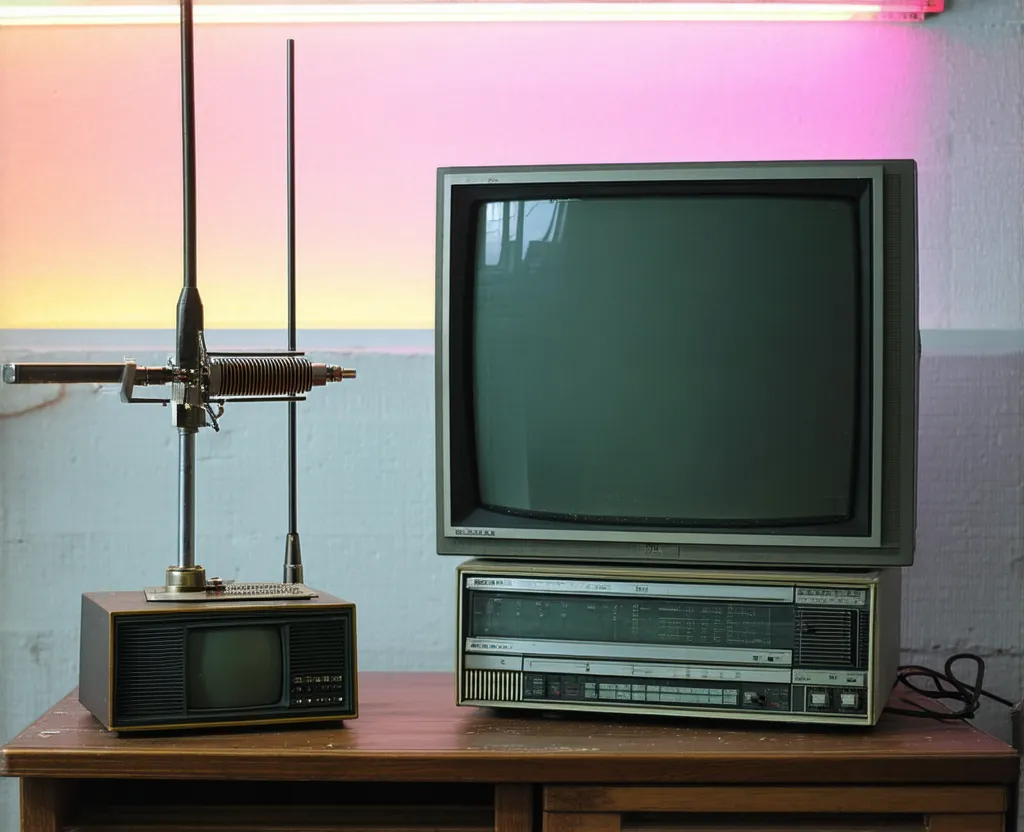
At the bench, the parts that work best are often the ones that ask for nothing in return. They don't make noise, they don't blink to get noticed, they don't ask for your name or address before letting you through. The feed of this archive is one of those parts: it's been here since day one, I've never properly explained it, and nobody ever asked me about it — a sign that it's worth fixing.
Why no newsletter
It didn't happen by accident. The Contacts page has always said so, in a single line: "no newsletter, no tracking". It's not a principle written down to look virtuous — it's the same logic as the opening manifesto[1]: nothing here gets built by collecting email addresses in a database that sooner or later has to be protected, sold or breached. A newsletter is, by definition, a list that somebody owns. An RSS feed isn't: no list exists, because nobody really "signs up" anywhere.
How it works, in practice
An RSS feed is a file that the site updates on its own with every new transmission — here it's called feed.xml, and it always stays in the same place. Anyone who wants to follow it installs a reader app (they're called "feed readers" or "RSS readers", and there are free ones for phones and computers) and gives it the feed's address. From then on the app rechecks on its own, every so often: no request reaches me, no data leaves your reader. It's the same principle as the LoRa network I wrote about a few weeks ago[2] — a channel that asks nobody's permission, on a much smaller scale: here there isn't even an intermediary to put in the middle.
- NO ACCOUNT — no email, no login, no consent box to tick
- NO ALGORITHM — unlike a social network, you get everything, not what someone else decided to show you
- NO MIDDLEMAN — your reader talks directly to the site, without going through a third-party platform
- REVERSIBLE IN ONE CLICK — remove the address from your reader and no trace is left to delete, because I never created any
> protocol: RSS 2.0
> address: survival-apps.com/feed.xml
> status: ALWAYS ON, ZERO SETUP ON MY END
A protocol older than it looks
RSS isn't an indie-archive invention, and it isn't a recent fad either: it dates back to 1999, before social networks as we know them today, and it solved a simple problem — knowing when a site you follow has published something new, without having to check by hand every day. For a decade it was the standard for following blogs and news sites; then social networks took over as the main square, and RSS stayed in the background. It didn't vanish: it just became less visible.
There's one corner where it never stopped being the only infrastructure that really matters: podcasts. Every app you use to listen to them — Apple's, Spotify or any other — is doing exactly this under the hood when you "subscribe" to a show: it reads an RSS feed. Billions of listens a month flow every day through a protocol that many consider obsolete, simply because nobody ever had a good reason to replace it.
Frequently asked questions
Is an RSS feed like a newsletter?
No. A newsletter is a list of email addresses that someone manages and sends mail to. An RSS feed has no list at all: your reader queries the site on its own, whenever it wants, and I know neither who is reading it nor how many people are.
Do I need an account to use it?
No, not on Survival Apps, and in most cases not on the feed reader either. All you need is the feed address.
Does the feed collect data about readers?
Not on my side: the feed.xml file is simply served like any other page on the site, with no cookies and no tracking scripts. Your feed reader might have its own policy: that concerns the reader, not this site.
Why not add a newsletter too, for those who prefer one?
Because it would mean keeping a list of email addresses somewhere, and this archive is built precisely so that I don't have to. Anyone who wants to be notified already has two more consistent options: the feed, or following the social channels where the transmissions get reposted anyway.
Some parts on the bench sit there for months before anyone asks what they're for. The feed is one of those: it was already there, it already worked, it just needed someone to point at it. May your code survive the apocalypse, and may what you follow never cost you a piece of data you didn't want to give.
Notes
- Opening manifesto — transmission 002 tells the story behind the choice of independent development that also lies behind this decision. ↑ back to text
- The LoRa network — covered in transmission 029: direct communication, with no server or operator in the middle. ↑ back to text