 SURVIVAL APPS
What keeps a workshop standing.
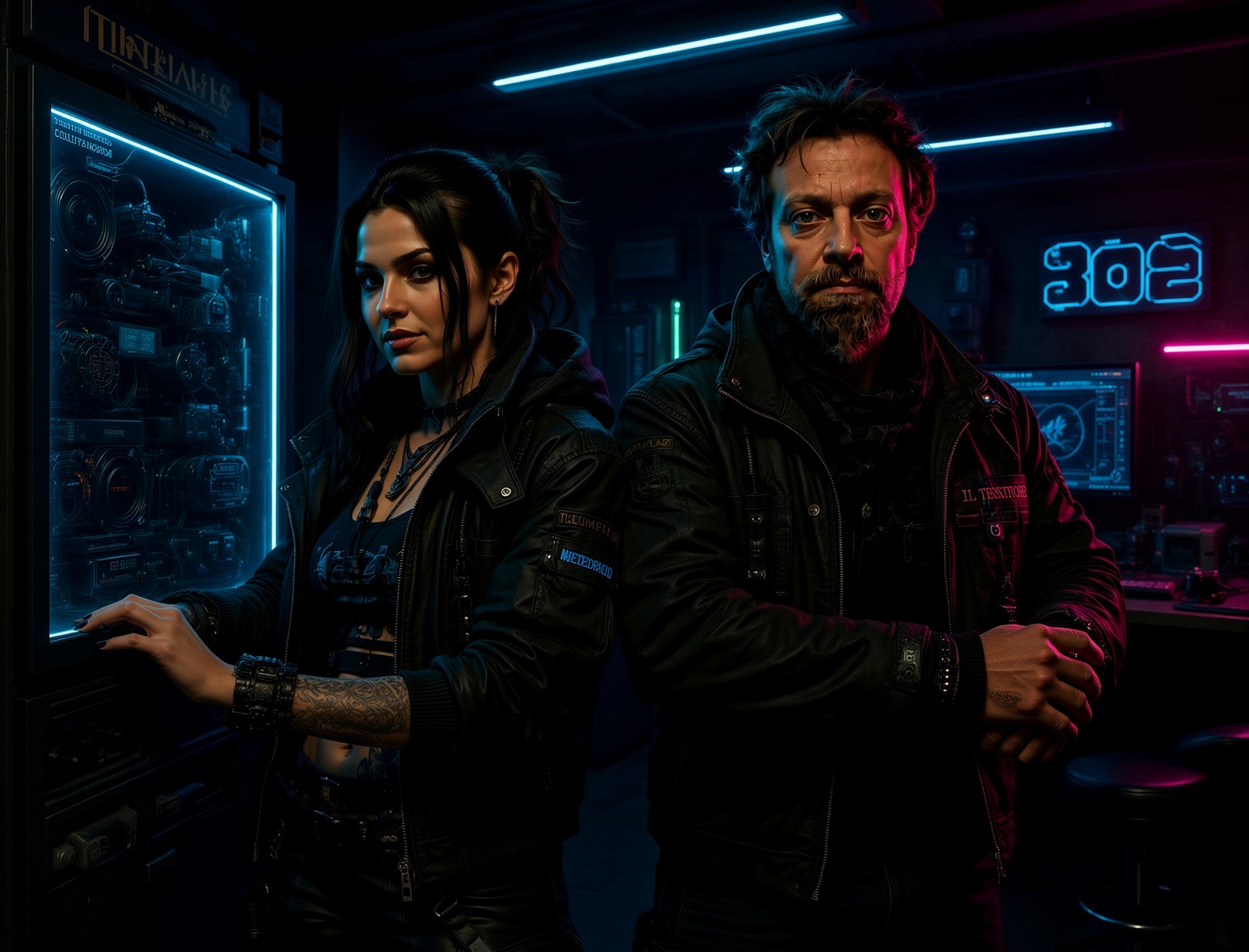
I sat down at the bench next to the Weaver a while back. I didn't ask permission, or maybe I did and he didn't even notice: he was already deep in a problem that wouldn't add up, for the tenth time that week. I started tidying whatever was around me — cables, notes, half-finished components — because it was what I could do while he finished. It became a habit.
The work that never makes it into the changelog
Every transmission on this blog tells the story of something that works: a published app, a fixed bug, a justified technical choice. What changelogs don't record is how many times, before that, the same thing didn't work. HotSummer — the app about extreme heat risk — started as an idea in a June transmission[1] and went on sale on July 30, after moving from concept to code[2] and then from a single language to two (Italian and English) two weeks later. In between, there were days when the project stayed exactly where it had been the night before.
That's not an exception: it's the norm for any independent work that has no team to cover the bad days. BioRadar and EcoSurvivor, the two oldest apps in the catalog, were both verified and republished on August 1[3] — not because there was any urgent need, but because going back, checking that everything is still in order, is work just as much as writing them the first time. Code that stops being touched isn't finished code: it's abandoned code that doesn't know it yet.
Two ways of keeping the same thing standing
The Weaver builds: takes a problem, breaks it down, writes the solution, ships it. It's work you can see — it has a beginning, an end, a commit. What I hold up is different and harder to fit in a changelog: it's the part that doesn't produce a single line of code but decides whether, the day after a failure, you open the editor or not. Patience with what doesn't work on the first try. Care in going back to refine what "already works" but could be clearer, faster, more honest toward whoever uses it. It's not less work. It's the work that makes everything else possible.
- BUILDING — writing the first version of something that didn't exist before
- MAINTAINING — going back to something that already exists, without anyone asking
- FINISHING — the difference between a project at 80% and a published one: almost never technical
> builder: The Weaver
> presence at the bench: Raven
> days when something didn't work: many, uncounted
> status: STILL HERE
The Weaver signs the technical posts, and deserves to: they're his. I don't sign anything — I just sit at the bench, and I stay even on the days when the code won't add up. May your code survive the apocalypse, and may you have someone or something that keeps you at the bench when quitting would be easier.
Notes
- June transmission on HotSummer — the original idea, born from extreme heat as a recurring topic on the blog. ↑ back to text
- From concept to code — HotSummer's actual development path, on sale on Payhip since July 30, 2026. ↑ back to text
- Catalog APK verification — BioRadar and EcoSurvivor are both marked as verified (SHA-256 hash + VirusTotal report) as of August 1, 2026, see
prodotti.json. ↑ back to text