 SURVIVAL APPS
The neighborhood is the first survival network
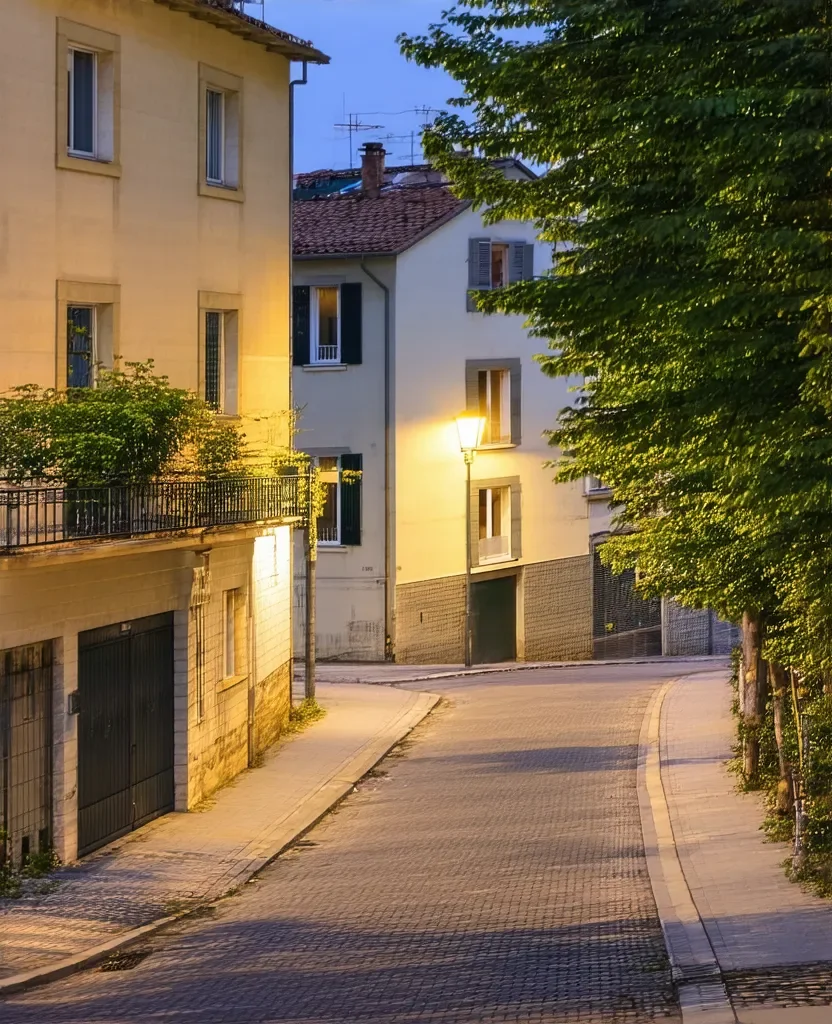
I spent months choosing radio boards, measuring the range of a LoRa mesh, calculating how many nodes it takes to cover a valley. Then one evening the power went out across the whole block, for a good two hours, and the only thing that actually worked was knocking on the next door down. No protocol, no firmware: just someone with a charged flashlight who knew I was home alone.
The network that counts before all the others
On this blog I've written about offline maps, about radios without a SIM, about supplies managed like a kakebo: real tools, ones I keep. But they're all multipliers of something that has to exist already for them to work, and that something isn't technical. It's the number of real people who, within a hundred meters of your home, know who you are and would come check on you if they didn't see you leave the house for two days. Not followers, not contacts in a chat: people who recognize your face.
Why the neighborhood beats the bunker
The bunker is the wrong answer to a right question. Preparing makes sense, isolating yourself doesn't: one person alone, however well equipped, has one pair of hands, one strong skill, one body that can get sick or hurt at the worst possible moment. A group of five or ten families who know each other has redundancy, the same word I use for a radio mesh, but applied to people: if one node drops, the others keep the network up anyway.
- SKILL REDUNDANCY — among ten households there's almost always someone who knows first aid, someone with tools, someone with a generator, someone who grows food, someone who simply has more physical strength when it's needed
- REAL PROXIMITY — a neighbor gets to you on foot in a minute, with the power grid and the cell network both down; no distant contact can do that
- DAILY RECIPROCITY — a group that helps each other every day with small things (a package picked up, an eye on the elderly neighbor upstairs) is the same group that holds up when it really matters
- SHARED MEMORY OF THE PLACE — people who've lived there for years know where it floods, where the only passable road runs, who needs the most help: information no map sells
> nodes known by name, not by profile: variable, minimum target 5
> average response latency: minutes, not hours
> redundancy: HIGH if the nodes' skills differ
> dependence on power/cell network: NONE
The limit of every digital network, radio included
I wrote it myself, when talking about Meshtastic: a mesh is only as good as the nodes that make it up. It's just as true the other way around, and it's the part that's easiest to forget. A LoRa radio, however free of SIMs and servers, can't conjure up someone willing to listen to you on the other end. If there's nobody on the other side of the channel who knows you and has decided in advance to answer, all you have is a device transmitting into the void. Technology carries a bond that already exists farther; it doesn't replace it.
Preventing, not just taking the hit
The most important point is also the least cyberpunk: a neighborhood that works isn't only useful after a collapse, it's useful for keeping certain things from collapsing at all. A neighborhood where people know each other notices sooner who's unwell, who's isolated, who needs help before it turns into an emergency. It's the same principle as the three pillars of this catalog: know, don't waste, face the extremes. A close-knit neighborhood is prevention applied to people, not just to resources.
How you actually build it
You don't need a plan, you need to start small and stay consistent. Introduce yourself to the neighbors you've never exchanged a word with beyond a greeting. Swap phone numbers, not just a buzzer. Know who holds the house keys of whoever's away on vacation, and who holds yours. Ask openly who has useful skills, not to list them like an inventory, but to know how to reach them the day you need them. A group like this grows on the same minimal gestures that keep it going every day: a greeting by name, a hand offered before anyone asks for it.
The most resilient network you can build has no antennas, no batteries to recharge, no firmware to update. It only needs you to knock on a door before you really need to.
Frequently asked questions
Why does the neighborhood matter in an emergency or a blackout?
Because it arrives before any organized rescue and doesn't depend on power, the cell network or the internet: a neighbor a few steps away can respond in minutes, with skills and resources different from yours, while a communication network (radio included) is useless if there's nobody on the other end ready to listen.
Is the neighborhood only useful in a disaster?
No, quite the opposite: its greatest value is prevention. A neighborhood where people know each other notices sooner who's struggling, who lives alone, who needs help, long before the situation becomes a real emergency.
Where do you start building a neighborhood group?
With small, consistent gestures: introduce yourself, swap phone numbers, find out who has useful skills (first aid, tools, a generator) and offer to help with the small everyday things, well before you think about an emergency.
Antennas, offline maps and rationed supplies remain good tools, but only if there's already someone behind them who answers when you knock. May your code survive the apocalypse, but above all: may your neighbors know your name.